


Please ensure Javascript is enabled for purposes of website accessibility

Why is EVERYTHING So Expensive?

Unpacking the High Cost of Living
6 PM
National WWI Museum and Memorial - 2 Memorial Drive, Kansas City, MO 64108
10
Mar

Why is EVERYTHING So Expensive?

6 PM
National WWI Museum and Memorial - 2 Memorial Drive, Kansas City, MO 64108

Doors will open at 5:30 PM for a Member Happy Hour. The event will start at 6 PM, followed by a post-event “After the Square” reception open to all attendees.

Groceries. Rent. Childcare. Utilities. Health Care. Under both Democratic and Republican administrations, the cost of living keeps climbing and no one seems to agree on what’s driving the squeeze or how to fix it. As we head into a new year with midterm elections on the horizon, tariffs shaking global markets, a disrupted farm economy, and the national debt at historic highs, this program asks a simple question: why is everything so expensive, and what does that mean for communities like Kansas City? Join American Public Square for a candid, fact-checked conversation about the forces shaping our wallets. Our panel of economic experts will unpack the pressures behind the rising cost of living and explore solutions we may be overlooking. 
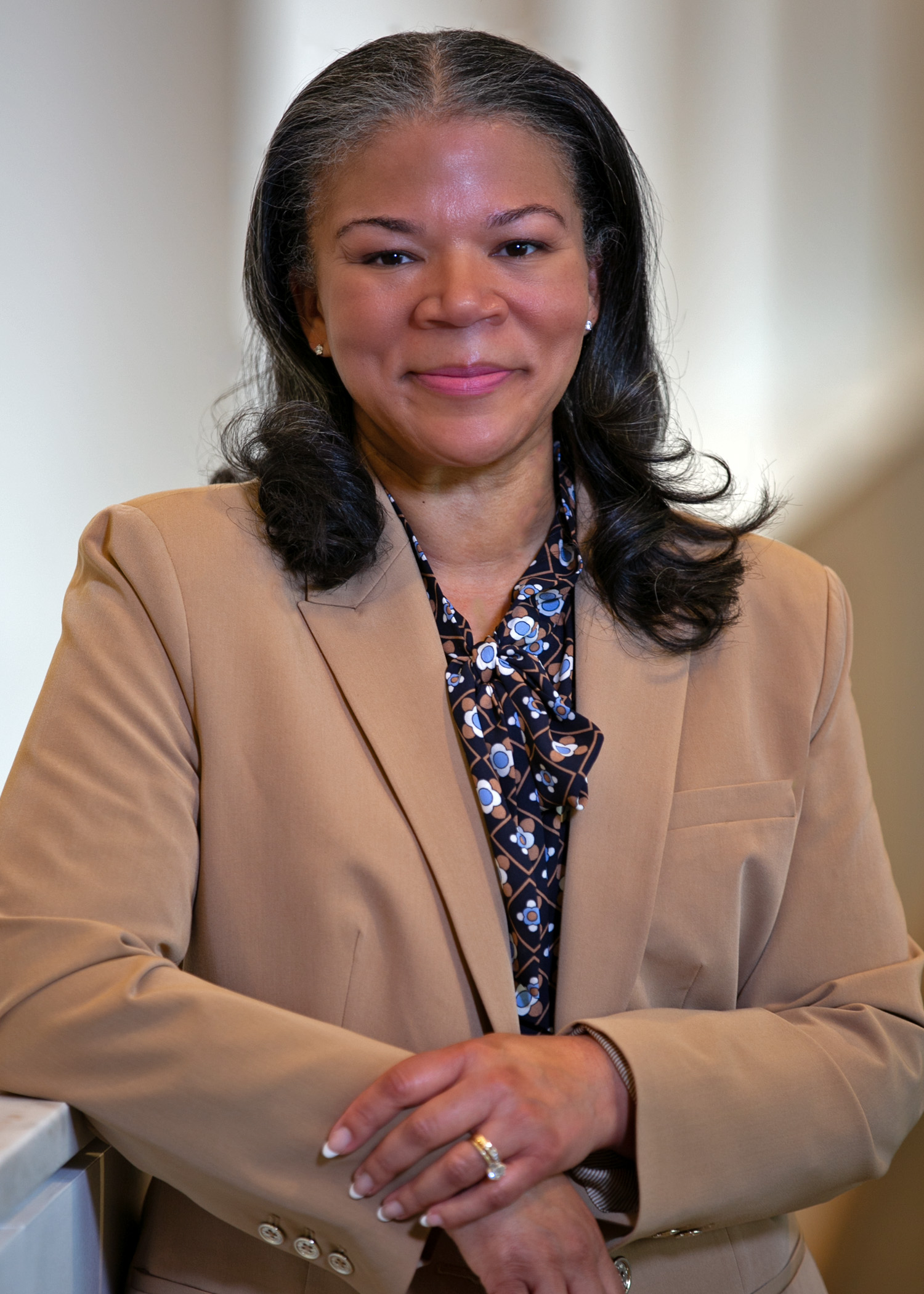
Program Panelists

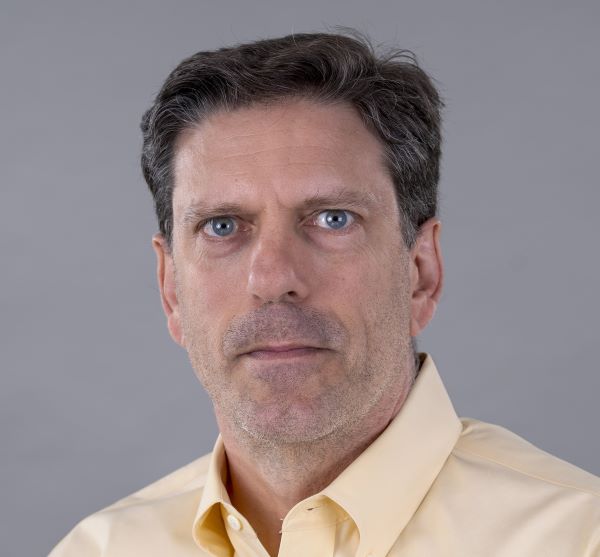
Yvonne Owens Ferguson, Ph.D., is chief research, learning, and evaluation officer for the Ewing Marion Kauffman Foundation. She brings more than 15 years of experience in leading community-engaged research, large-scale program evaluations, and data-informed strategic planning. A native Kansas Citian, Dr. Ferguson comes to the Foundation from the National Institutes of Health (NIH) in Bethesda, Maryland. There, she led the NIH Common Fund Community Partnerships to Advance Science for Society program, a more than $300 million, 10-year, first-of-its-kind initiative. The program funds community organizations directly to work with research partners to conduct health equity research intervening on social determinants of health and structural factors shaping conditions of everyday life. Dr. Ferguson’s leadership in health disparities and health equity research earned her NIH Director’s Awards in 2022 and 2023. Prior to her role at NIH, she conducted large-scale regional and program evaluations as a senior global health research consultant with nonprofits, governments and civil society organizations in the United States, Switzerland, and the Caribbean. Dr. Ferguson completed her post-doctoral training conducting community-engaged research as a Kellogg Health Scholar at the University of North Carolina (UNC) at Chapel Hill Gillings School of Global Public Health. She received her Ph.D., with a certificate in International Development conducting research in sub-Saharan Africa, and received her Master of Public Health in Health Behavior, also from UNC-Chapel Hill. She earned her Bachelor of Science degree in biology from Spelman College in Atlanta. 

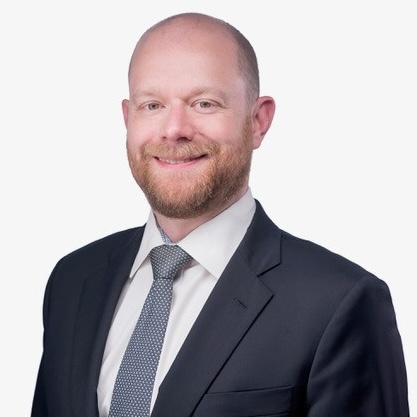
Gordon Gray is Vice President for Budget Analysis at the Peter G. Peterson Foundation. Prior to joining Peterson, Gordon served as the founding Executive Director for the Pinpoint Policy Institute, a policy research nonprofit. Before launching Pinpoint, he served as the Vice President for Economic Policy at the American Action Forum, where his portfolio included the federal budget, taxes, the macroeconomic outlook, and general economic policy matters. Gordon previously served as a senior policy advisor to Senator Rob Portman (R-Ohio) and was policy director during Senator Portman’s 2010 campaign. Before joining the campaign, he was a professional staff member for the Senate Budget Committee, and previously served as deputy director of domestic and economic policy for Senator John McCain’s 2008 presidential campaign, and spent several years with the American Enterprise Institute. Gordon has testified as an expert witness before multiple committees in Congress on a range of domestic and economic policy areas, and has provided commentary and analysis appearing in print, TV, radio, and other media. Gordon is a graduate of Tufts University.

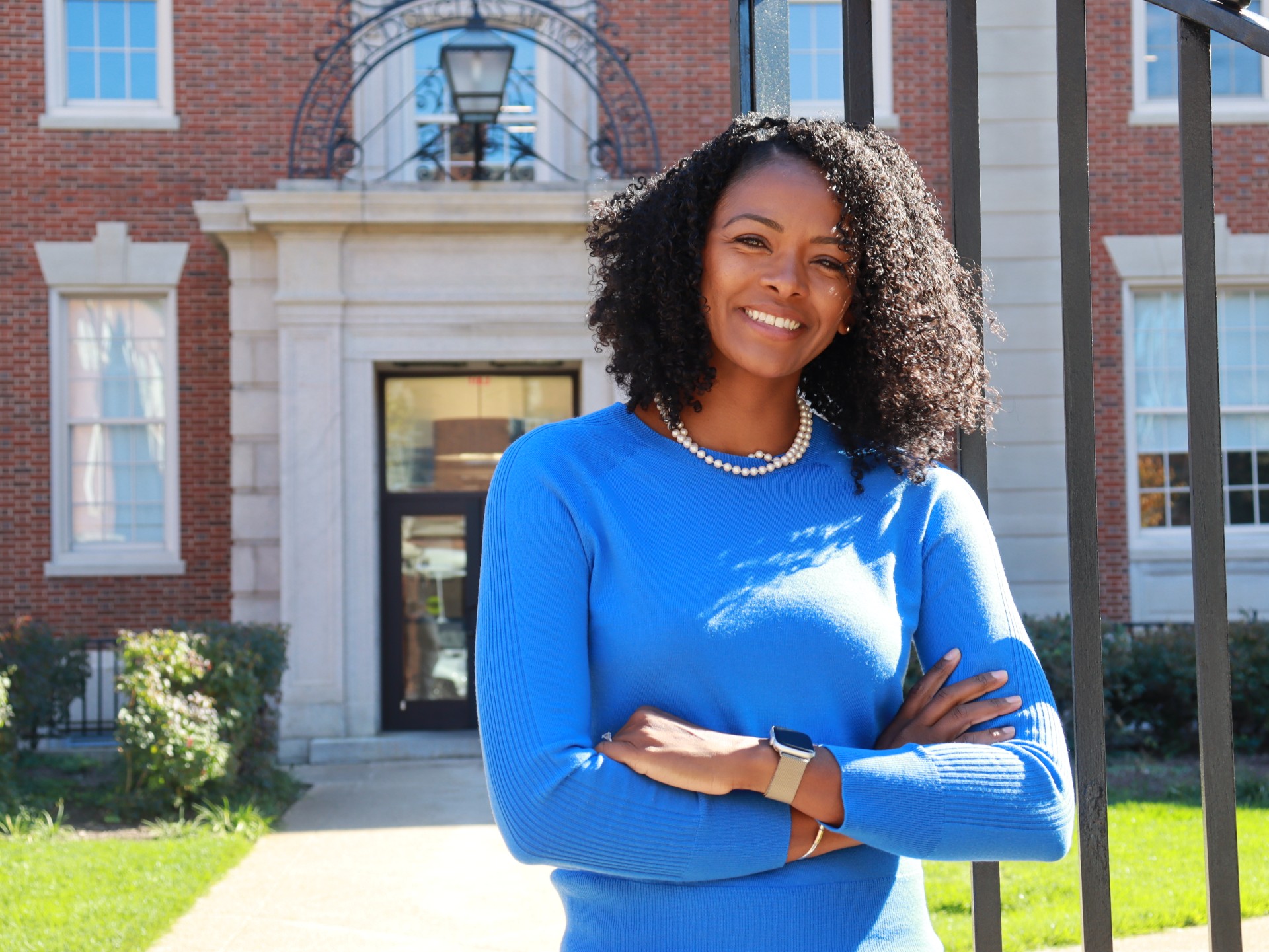
Dr. Jevay Grooms is an Associate Professor of Economics and Co-Director of the Center for an Equitable Economy and Sustainable Society at Howard University. She is an applied microeconomist whose research sits at the intersection of public economics, health economics, and the study of poverty and inequality. Her work focuses on identifying barriers to health care access and improving health outcomes among underserved and vulnerable populations, with particular attention to how poverty and the legacy of wealth inequality contribute to racial and ethnic health disparities. Dr. Grooms earned her Bachelor of Science in Economics and Political Science from Loyola Marymount University and her PhD in Economics from the University of Florida. In addition to advancing her research agenda, Dr. Grooms is deeply committed to mentoring students and promoting diversity within the economics profession. She is a Faculty Research Fellow at the National Bureau of Economic Research (NBER), Co-Director of the Alzheimer’s Trial Recruitment Innovation Lab (ATRIL), and previously served as Co-Director of Training at the University of Wisconsin–Madison Retirement and Disability Research Center (UW-RDRC). Her professional service includes serving as a current Board Member of the National Economic Association (NEA), and a past member of the FAIR Health Academic Advisory Board, the Executive Committee of the Societal Experts Action Network (SEAN) at the National Academies of Sciences, Engineering, and Medicine, and the Health and Retirement Study (HRS) Data Monitoring Committee. Dr. Grooms is married to her husband, Robert, and is the proud mother of four children: Kenneth, Kelso, Blake, and Declan.

Our Moderator

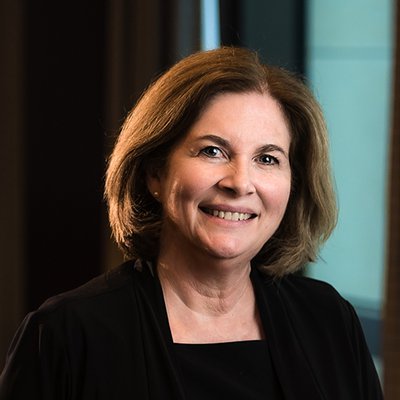
Esther L. George served as president and CEO of the Federal Reserve Bank of Kansas City from 2011 to January 2023, when she faced mandatory retirement from the Federal Reserve. As president, George led a workforce of more than 2,000 employees located at the Bank’s Kansas City office and Branch offices in Denver, Oklahoma City, and Omaha who supported the Kansas City Fed’s role in national monetary policy, financial institution supervision, and the provision of payment and financial services to depository institutions and the U.S. Treasury.

Our Roving Reporter

Thomas White covers workforce and economic impact for The Beacon, reporting on policies, programs, and systems that help or hinder everyday people’s pursuit of the American Dream. White is an emerging reporter with previous experience at The Community Voice and The Pitch Magazine. The KC-area native spent over a decade in hospitality before earning his journalism degree from the University of Missouri Kansas City as a first-generation college graduate from a working-class family.

Event Category: , ,
Tags